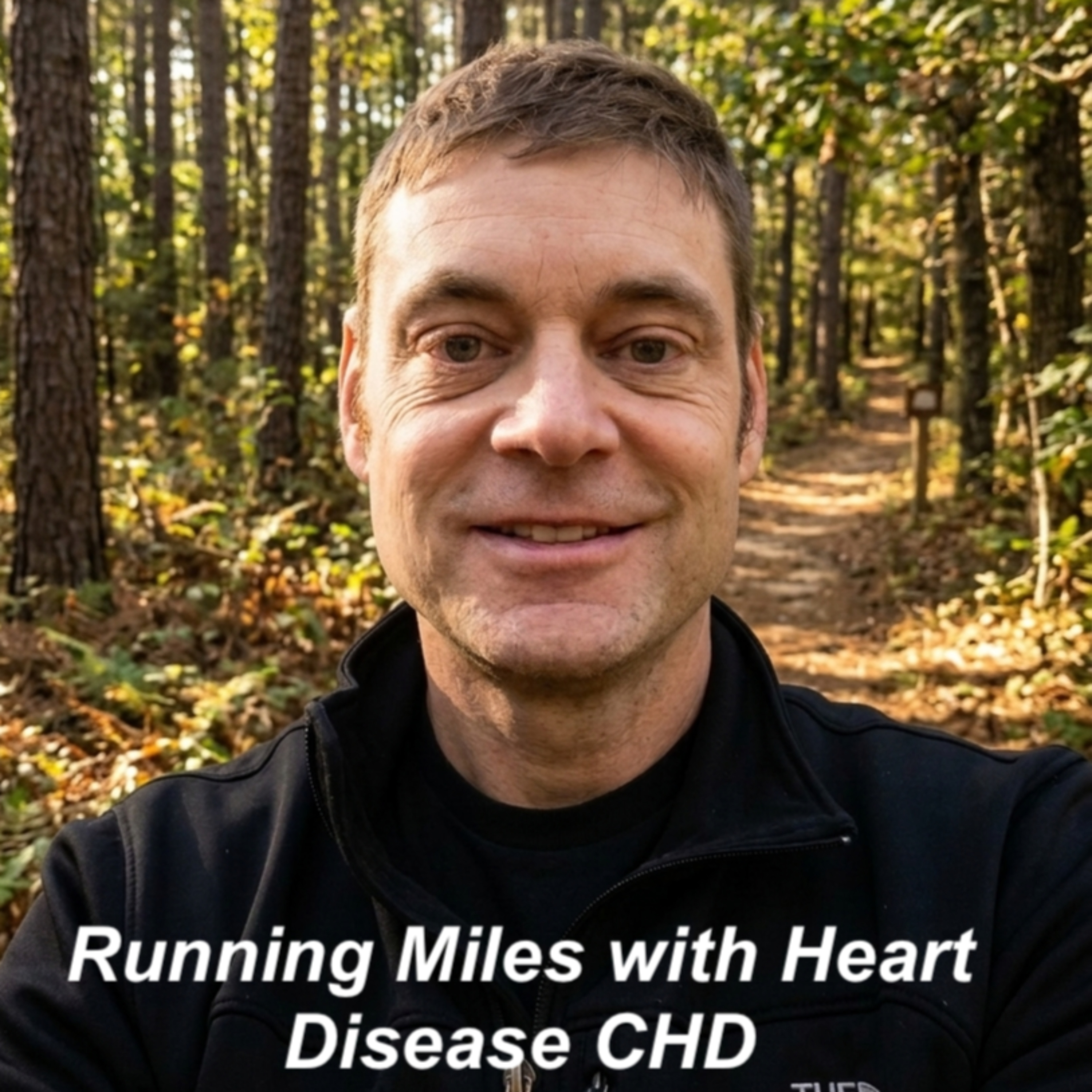
LDL, HDL, Triglycerides, and the Endurance Athlete with AI
The Story
Cholesterol, Ultra Running, and Heart Health: What Every Endurance Athlete Should Know
Can you be one of the fittest people on Earth and still have high cholesterol?
In this episode of Running Miles with Heart Disease, we explore one of the most debated topics in sports cardiology: the relationship between cholesterol, endurance exercise, and long-term cardiovascular health. While many runners assume that logging countless miles guarantees a healthy heart, emerging research paints a more complex picture.
We begin by discussing the 2026 ACC/AHA Multisociety Guidelines for Dyslipidemia, including updated LDL cholesterol treatment goals, why earlier intervention matters, and the growing importance of advanced cardiovascular markers like Apolipoprotein B (ApoB) and Lipoprotein(a) [Lp(a)].
Next, we examine the Athletic Lipid Paradox. Why do some marathoners and ultramarathon runners have elevated LDL cholesterol despite exceptional fitness, low body fat, and excellent metabolic health? We explore the emerging Lean Mass Hyper-Responder (LMHR) phenotype, the proposed Lipid Energy Model, and the ongoing debate surrounding high LDL cholesterol in low-carbohydrate and ketogenic endurance athletes.
You'll also learn how endurance exercise affects cholesterol metabolism, including why triglycerides often decrease after races, HDL may temporarily increase, and how lipoprotein particles can shift following marathon and ultramarathon events.
Beyond standard cholesterol numbers, we discuss why lipoprotein particle quality matters. Learn the difference between small, dense LDL and large, buoyant LDL, why particle size may influence cardiovascular risk, and how exercise, nutrition, and metabolic health affect these changes.
We also cover nutrition strategies that may influence cholesterol, including Mediterranean-style eating, healthy fats, refined carbohydrates, fasting strategies, and how different dietary approaches affect LDL particles.
Another fascinating topic is Paraoxonase-1 (PON1), an antioxidant enzyme carried primarily on HDL particles. PON1 helps protect LDL from oxidative damage and may explain why HDL function—not simply HDL quantity—is becoming an important area of cardiovascular research. We discuss how inflammation, diabetes, diet, exercise, and medications may influence PON1 activity and why researchers believe HDL functionality could become an important future biomarker.
Finally, we discuss coronary artery calcium (CAC) scoring, statin-associated muscle symptoms, non-statin cholesterol therapies, and when endurance athletes should consider advanced lipid testing or consultation with a lipid specialist.
Whether you're training for your first marathon, preparing for a 100-mile ultramarathon, following a ketogenic diet, or simply interested in improving your heart health, this episode provides an evidence-based look at one of preventive cardiology's most misunderstood topics.
Topics Covered:
• 2026 ACC/AHA cholesterol guidelines
• LDL, HDL, ApoB, and Lipoprotein(a)
• Lean Mass Hyper-Responders (LMHR)
• The Athletic Lipid Paradox
• Lipoprotein particle size and cardiovascular risk
• Exercise and cholesterol metabolism
• Nutrition strategies for endurance athletes
• Paraoxonase-1 (PON1) and HDL function
• Coronary artery calcium (CAC) scoring
• Statins and non-statin cholesterol therapies
If you enjoyed this episode, please subscribe, leave a review, and share it with another runner or endurance athlete. Every conversation helps us better understand how to balance performance, longevity, and heart health.
Disclaimer: This podcast is for educational purposes only and is not intended to provide medical advice. Always consult your healthcare provider before making changes to your diet, medications, or exercise program.
https://www.mcmillanrunning.com/?utm_source=chatgpt.com
https://teamrunrun.com/coach/josh-sain-raleigh-running-coach/
 Apple Podcasts
 Castbox
 Castro
 Goodpods
 Moon FM
 Overcast
 Pocket Casts
 Podbean
 Podcast Addict
 Podcast Republic
 Spotify